
Union Labor Foodservice Operations for McMaster-Carr
Overview
McMaster-Carr ranks among the largest industrial parts distributors in North America, and its Aurora, Ohio, distribution center runs at a scale most facilities never reach.
The site keeps 2,500+ workers on the floor every day across round-the-clock union labor shifts, and feeding that workforce takes more than a standard cafeteria can handle. When McMaster-Carr needed a temporary foodservice solution for an industrial distribution center operating at that volume, they brought us in.
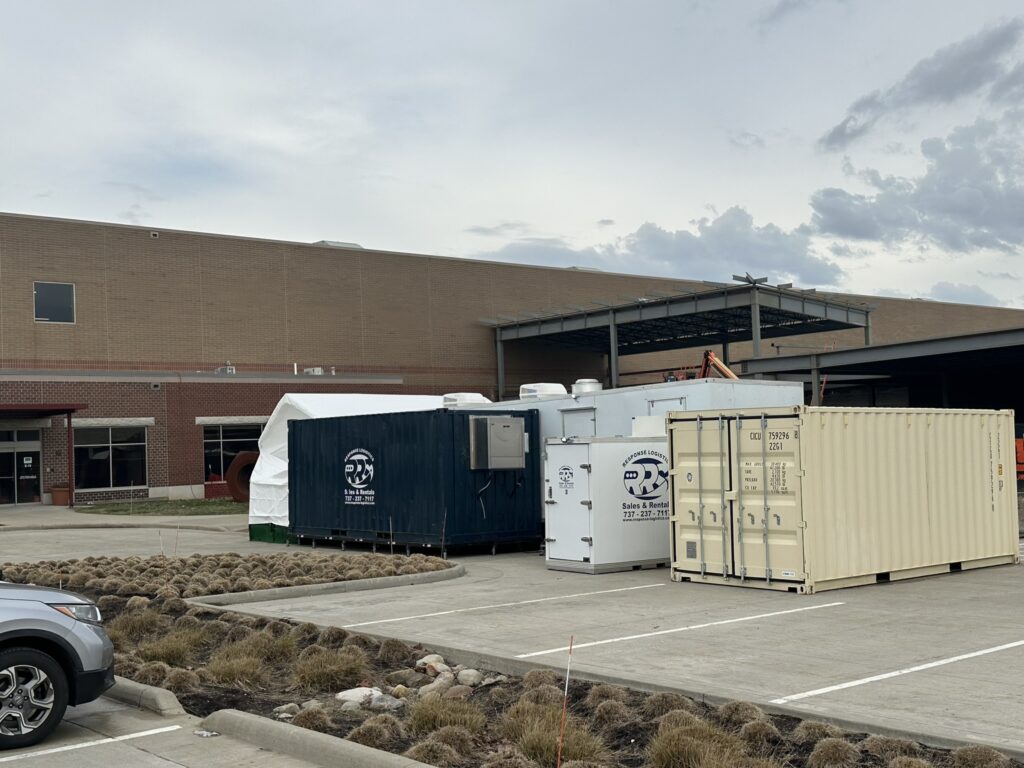
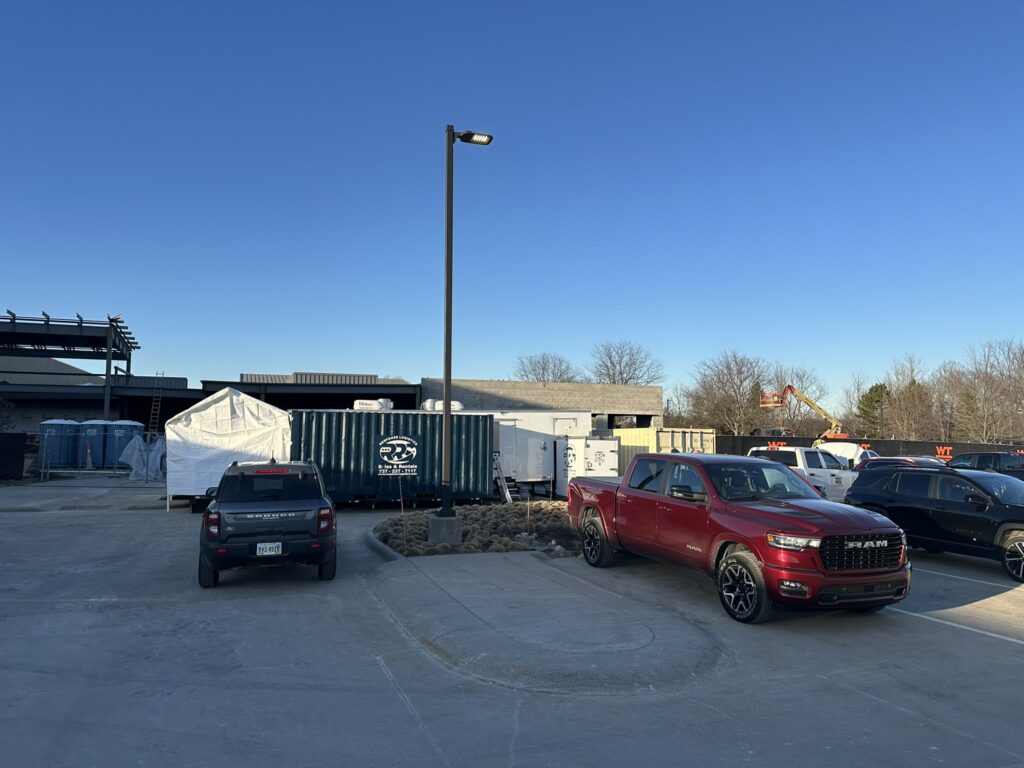
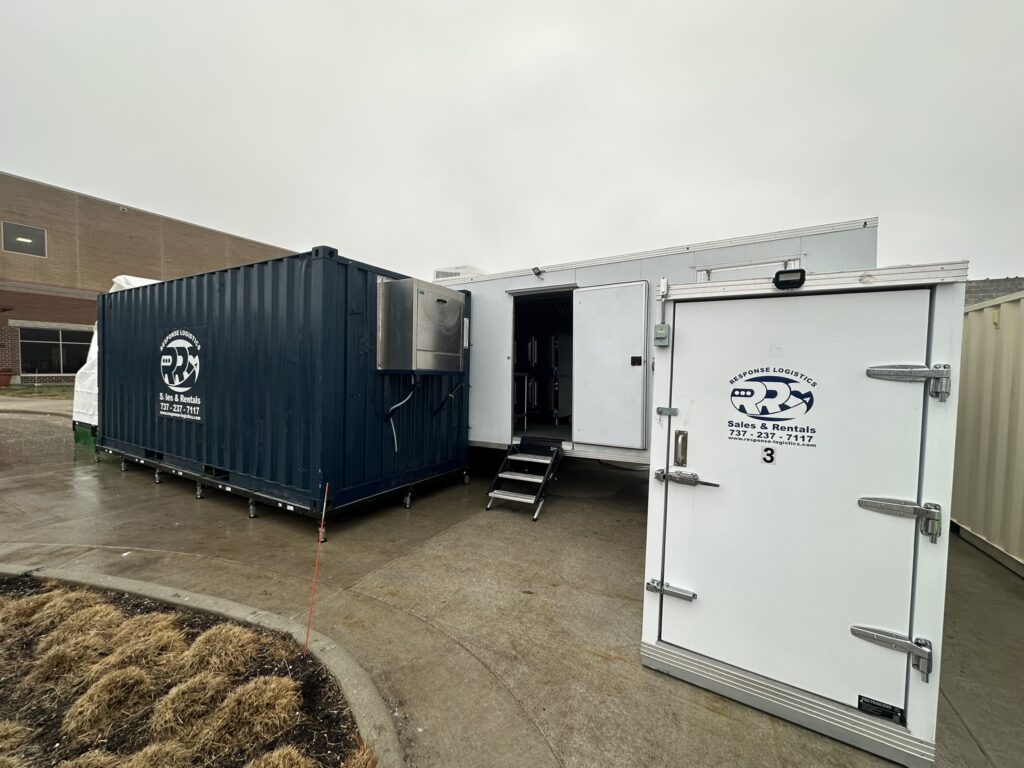
We deployed a self-contained mobile kitchen campus engineered to sustain continuous, high-throughput meal service at full workforce scale.
Our setup consolidated production, refrigeration, storage, and service into a single integrated footprint, so McMaster-Carr didn’t have to modify its permanent facility or coordinate separate vendors for each part of the operation.
The result was a single platform with one point of accountability, sized to feed thousands per shift without breaking stride.
The Challenge
Feeding a large, shift-based workforce at a remote distribution center comes with operational constraints that shape every decision:
- 2,500+ workers across multiple shifts: Daily service volume sits at full capacity from open to close, with no slow days and no margin for disruption. Every shift expects meals to be ready when their break window opens, and the operation has to hit that mark every single time.
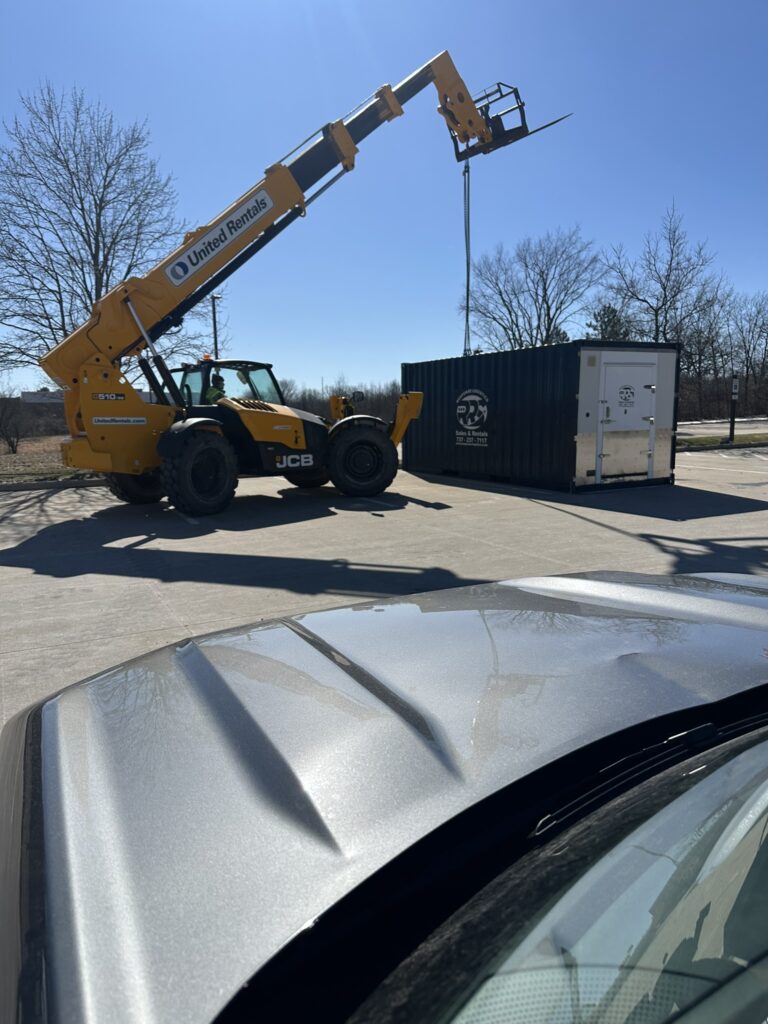
- Remote, self-contained site: The facility location demanded a fully self-contained foodservice infrastructure. McMaster-Carr wasn’t going to let us tie into permanent utilities or alter the building, so we had to bring everything we needed and leave the distribution center exactly as we found it.
- Union scheduling obligations: Union break schedules turn service timing into a compliance issue, not a preference. A late lunch line doesn’t just frustrate workers; it pushes contracted break windows out of compliance and creates workforce-wide consequences within minutes.
- Zero margin for equipment failure: Round-the-clock, high-throughput service means a single piece of failed equipment can stall thousands of meals. At this scale, an hour of downtime cascades across an entire shift and forces the facility into reactive mode.
Deployed Assets
- 2 Kitchen Trailers
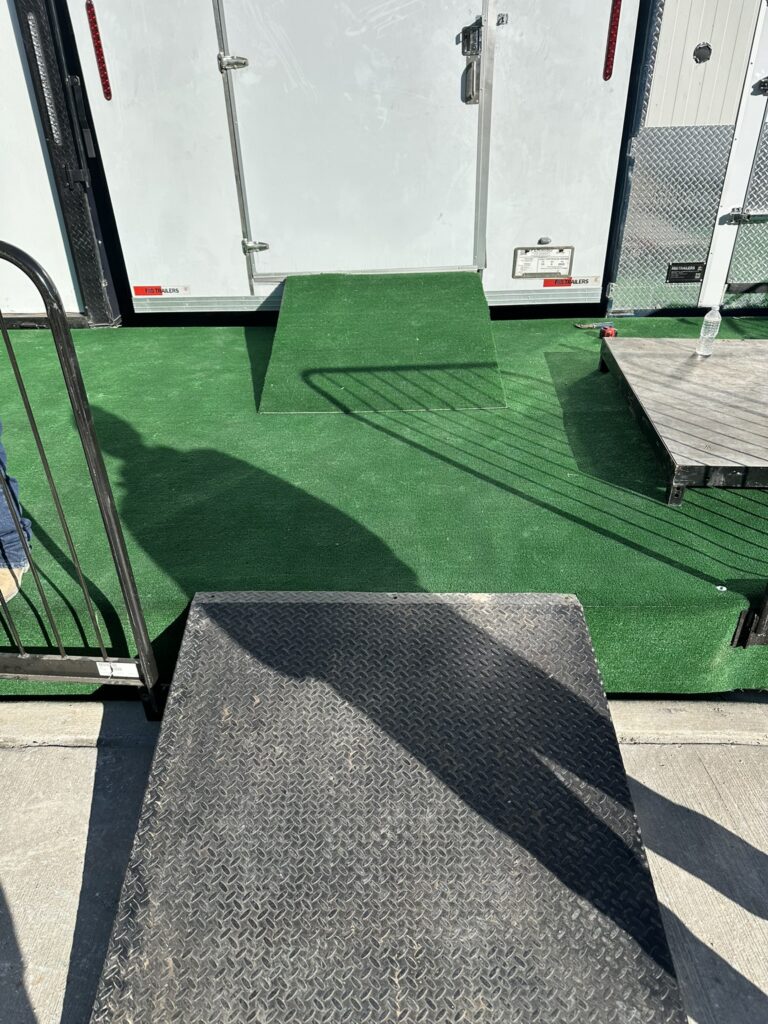
- Congruent Decking System
- Portable Walk-in Cooler
- 4x8 Cooler Unit
- 8x20 Portable Dry Storage Unit
Feeding a large, shift-based workforce? We deploy self-contained mobile kitchen campuses built to serve thousands per shift with no permanent site modifications.
Execution & Results
We engineered the kitchen campus layout around McMaster-Carr’s shift structure, mapping production stations, refrigeration, and service points to peak break windows so staff could feed the floor without bottlenecks.
Our decking platform handled the integration, tying all production areas into a single continuous working surface that kept the operation moving at the pace the workforce demanded.
Continuous daily foodservice held steady across all shifts throughout the engagement. The campus met the throughput demands of a round-the-clock union labor environment without service gaps, late breaks, or workflow compromises on the floor.
The self-contained design also meant McMaster-Carr’s facility team didn’t have to manage a vendor list to keep things running. Production, refrigeration, storage, and service all sat under one roof of accountability, so when their team had a question, they made one call to us and got an answer.
Why Response Logistics
- Built for large-workforce, high-throughput environments: Our multi-kitchen deployments are engineered from the start for industrial-scale foodservice. We did not adapt a smaller event solution to fit the job; we designed the platform to handle workforces of this size from day one.
- One campus, not a collection of trailers: Our proprietary decking system links independent units into a single, professional temporary dining hall. At this scale, that distinction matters because staff need to move fluidly between production zones without breaking service flow.
- Self-contained by design: Our platform runs without reliance on facility utilities, requires no permanent site modifications, and does not involve building management in daily coordination. We provide the infrastructure, so the host facility can keep running uninterrupted.
- Proven in union labor environments: We have a track record operating inside demanding industrial settings where break schedules and service timing are contractual obligations. We treat those windows as hard deadlines, not soft targets.
- Single-source accountability: One call, one contract, one point of ownership from deployment through daily operations. There are no vendor handoffs to manage and no finger-pointing when something needs fixing.